News
From anomalies to take action: How Uali's system integration transforms data into executed tasks
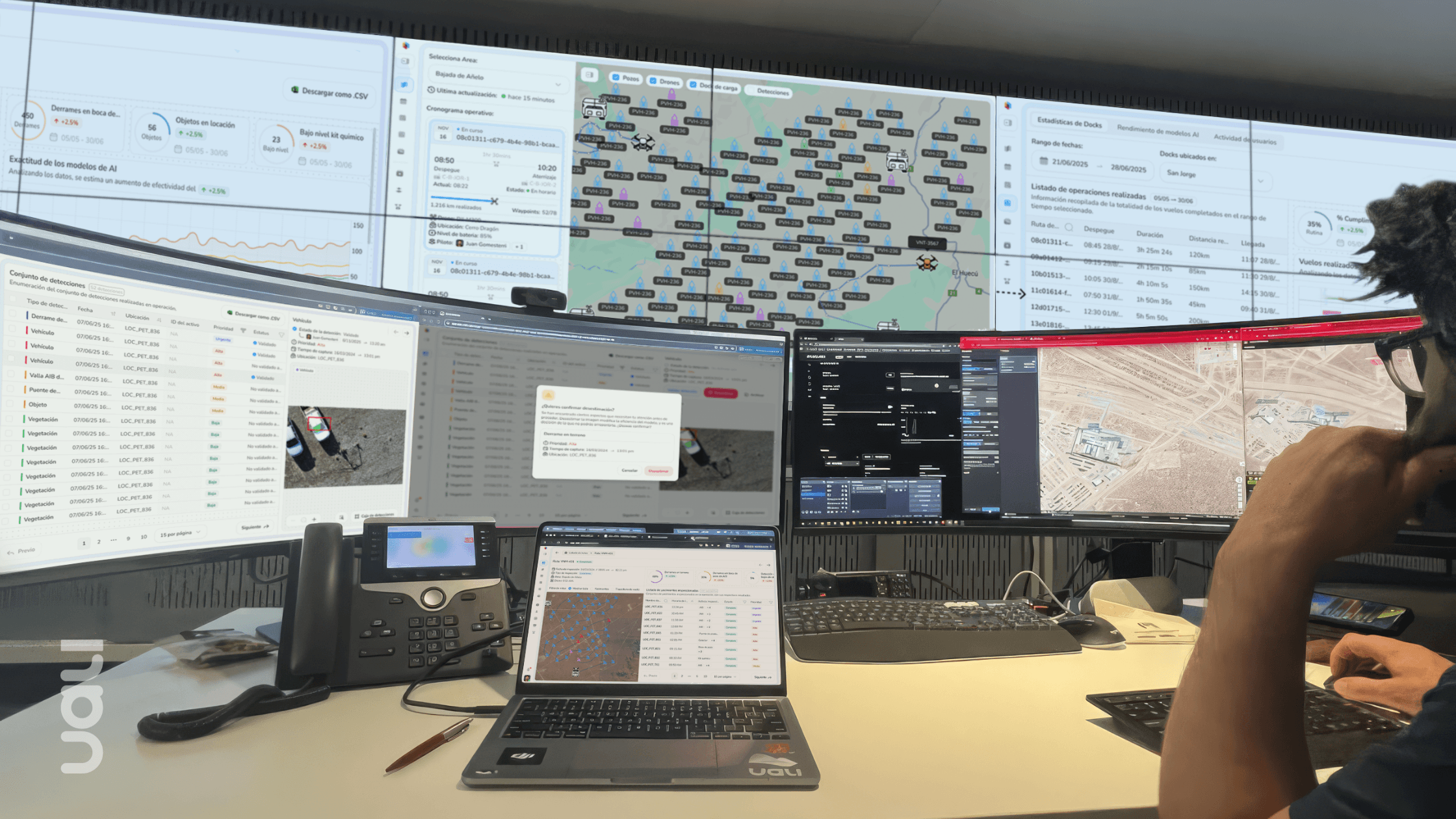
In large-scale infrastructure management, the true value of data lies not solely in its precision, but in its capacity to drive operations. Capturing a high-resolution thermal image or georeferencing an anomaly on a digital map loses its impact if that information remains isolated in a static desktop report. At Uali, we designed our digital ecosystem around a clear premise: to be the direct bridge between anomaly detection and the client's execution of the work order. By seamlessly integrating into the workflows and systems operators already use, we turn field analysis into logistical decisions in record time.

The seamless flow: frictionless integration
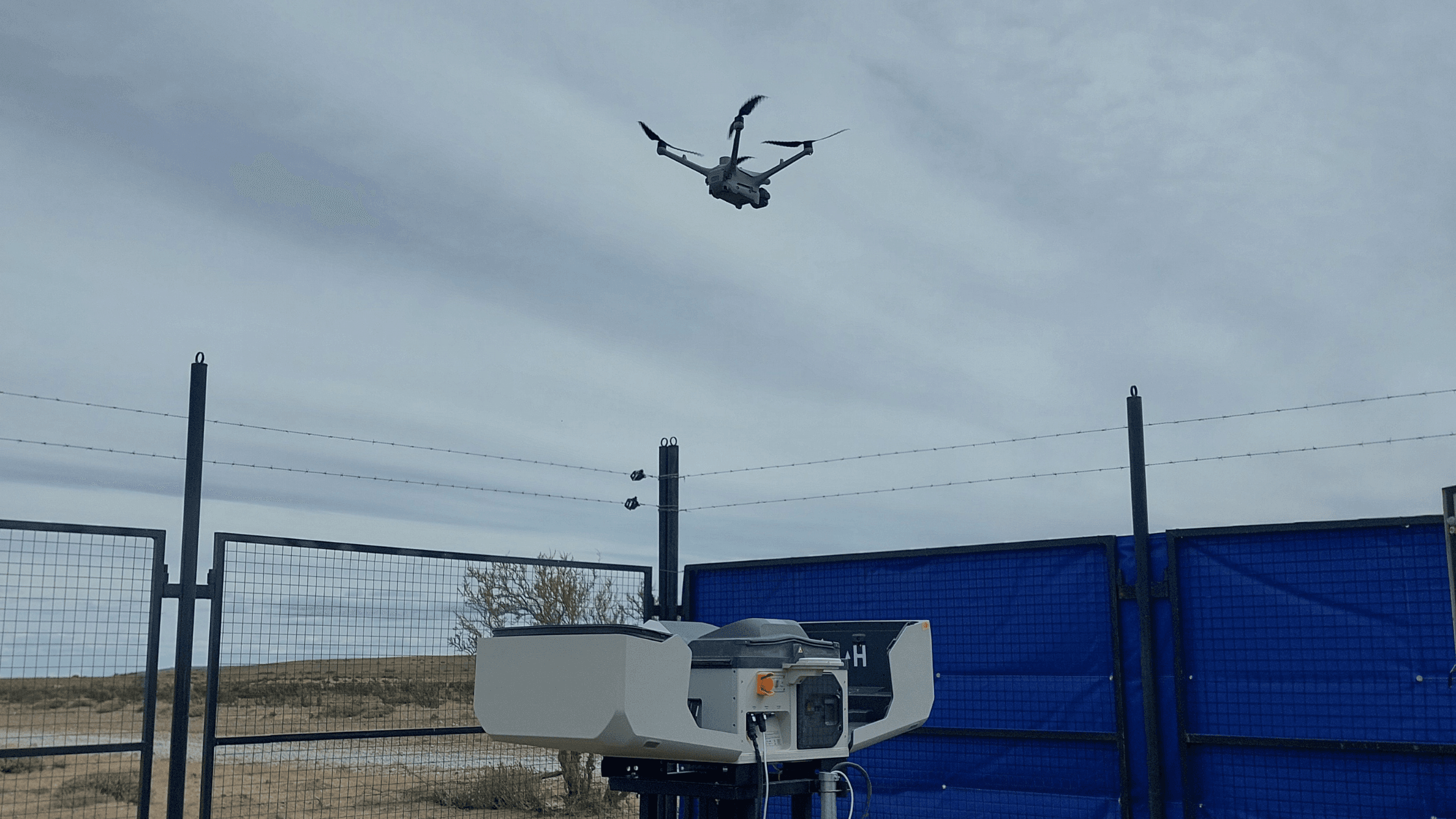
Through field analysis, the combination of remote inspection technology and artificial intelligence enables the processing of thousands of images and georeferenced metrics during each operational day. Once the platform classifies and prioritises an alert based on its severity level (backed by final user validation), the flow of information doesn't stop there.
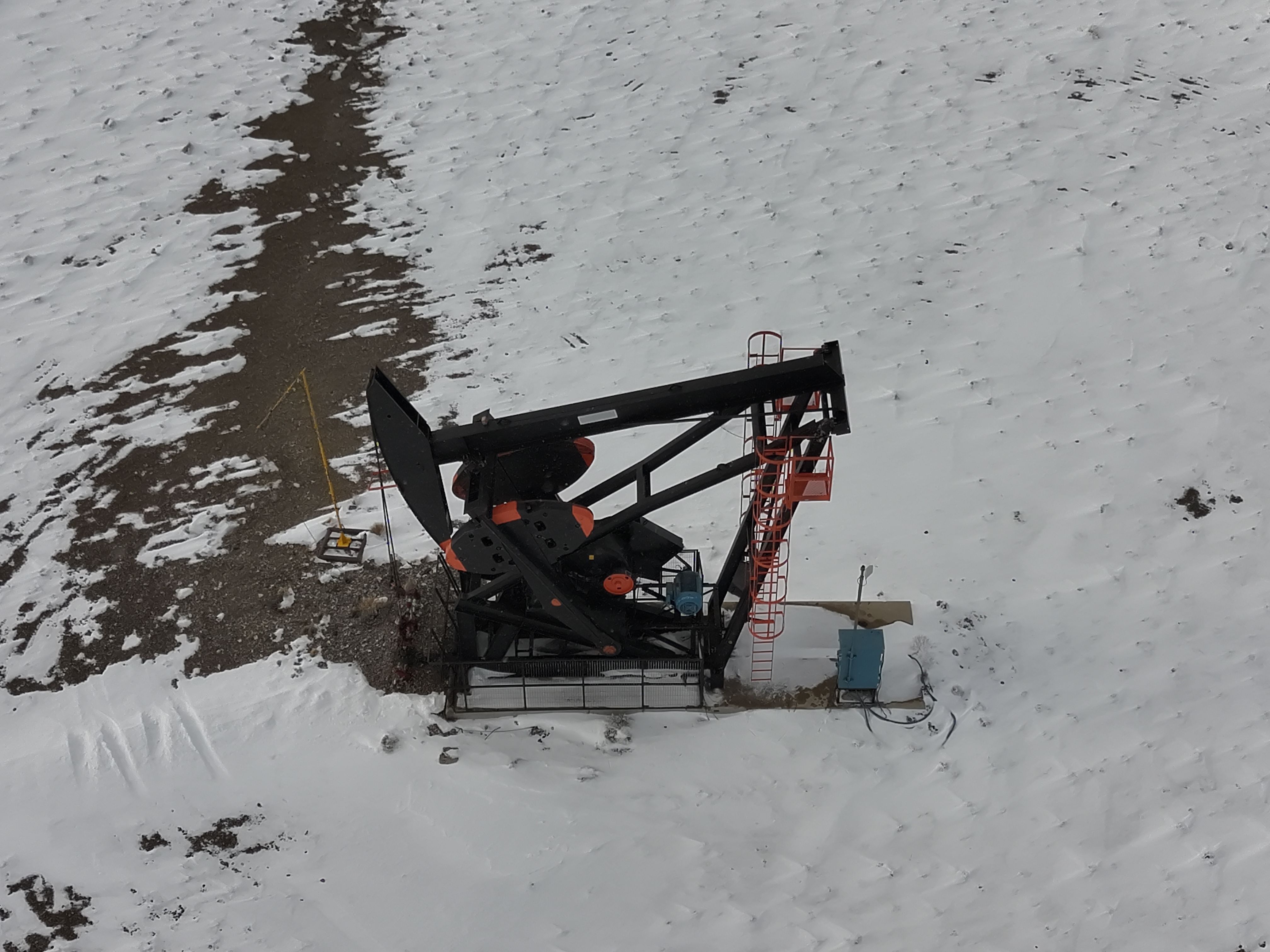
Thanks to our system's integration capabilities via advanced APIs and open architectures, the Uali platform connects directly with the client's corporate task management systems. This means that a critical point detected on the ground—such as a thermal anomaly on an insulator or a minor sign of uncontained fluid—can automatically populate the partner company's operational task queue.
→ Learnd all Uali's platform advances
Field impact: crew optimisation and traceability This synergy between Uali's system and the client's task execution redefines daily efficiency across three fundamental pillars:
- Dynamic and precise field planning: Ground maintenance crews no longer head into the field to perform blind inspections. By receiving the exact geolocation and severity level of the asset integrated into their standard work orders, they proceed directly to the critical point, optimising time and material resources.
- Closing the loop: Integration allows the asset's status to update automatically once the client's field team resolves the task. This generates a flawless, comparative severity history within our comprehensive platform, facilitating continuous internal audits.
- Risk reduction and increased profitability: Eliminating bureaucratic, intermediate steps between detection and repair not only protects profits by preventing unscheduled production downtime; it also minimises the timeframe an asset remains in a risky condition, elevating physical safety (HSE) standards through preventive maintenance.
Industrial efficiency in 2026 leaves no room for data silos. Data must be actionable, fluid, and at the service of those making decisions and executing tasks in the field. By integrating Uali's system into client workflows via automatic inspections, we prove that we deliver more than visual clarity: we provide the preventive intelligence necessary for every detection to become a concrete, efficient solution. Get to know us!
Giselle Balzano
Product Manager