News
Over 2000 assets inspected in a single day: the milestone setting a new operational standard
Surpassing 2,000 assets inspected in a single day is more than just a number. It is a concrete demonstration of how far field operations can scale today when technology, planning, and execution function as an integrated system. This is the result of a dedicated team of professionals focused on exceeding the operational standards of such a challenging industry.
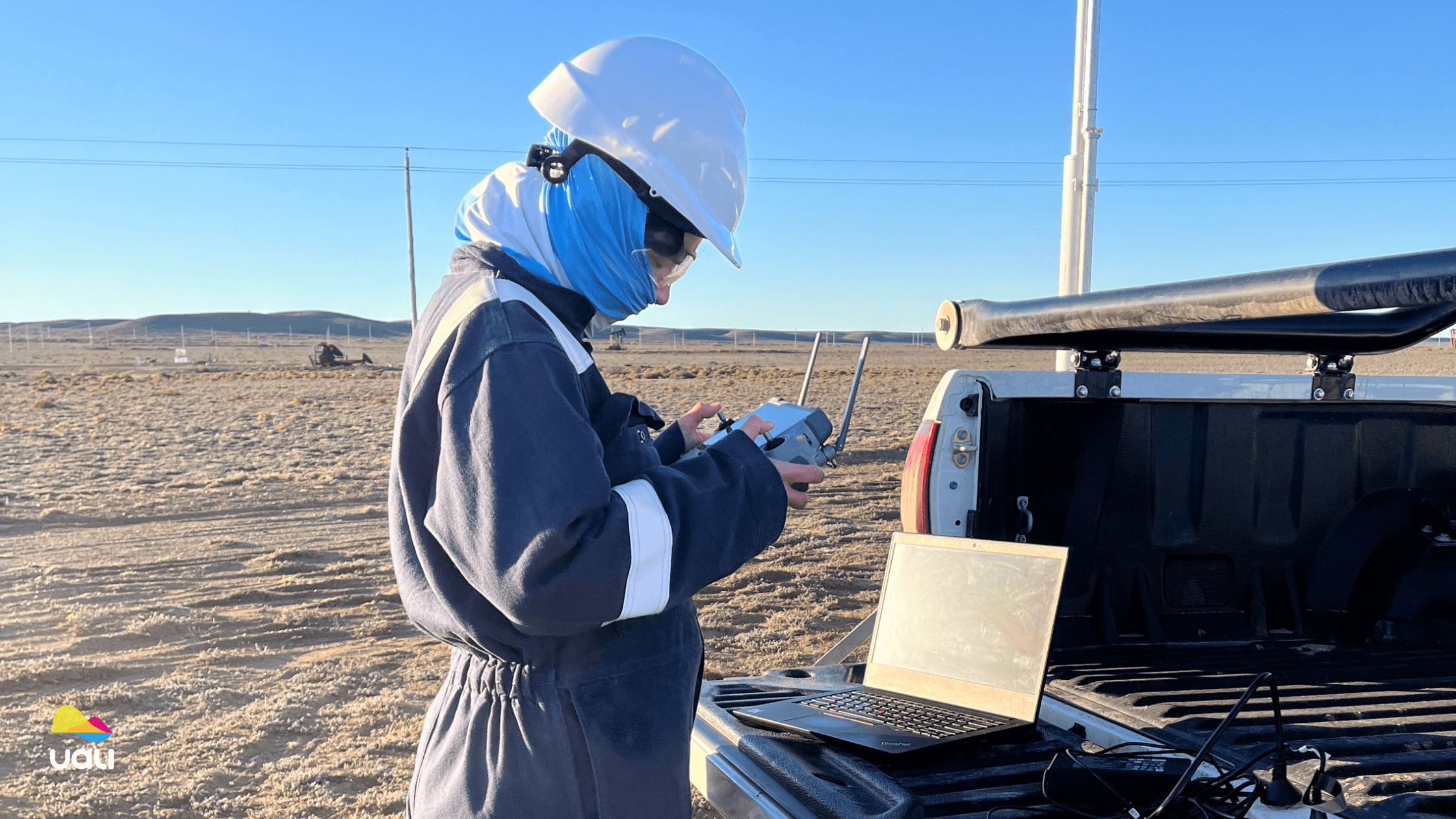
In an oil & gas field, where assets are numbered in the thousands and conditions are in constant flux, inspection capacity largely defines the quality of decision-making. When that capacity is limited, a gap always exists between what happens in the field and what is actually detected.
By significantly increasing coverage within the same day, a more comprehensive and up-to-date view of asset health is achieved. This allows for identifying anomalies further in advance, prioritising interventions with better criteria, and operating with information that reflects reality.
→ Technology at scale: What it means to inspect more than 1020 assets in a single day
However, the value lies not just in inspecting more, but in what happens next. Every piece of data collected needs to be processed, interpreted, and organised to become a concrete decision. Without this layer, volume loses its meaning. Successfully inspecting 2,048 assets in a single day implies maintaining both speed and precision simultaneously. That is what truly sets us apart.
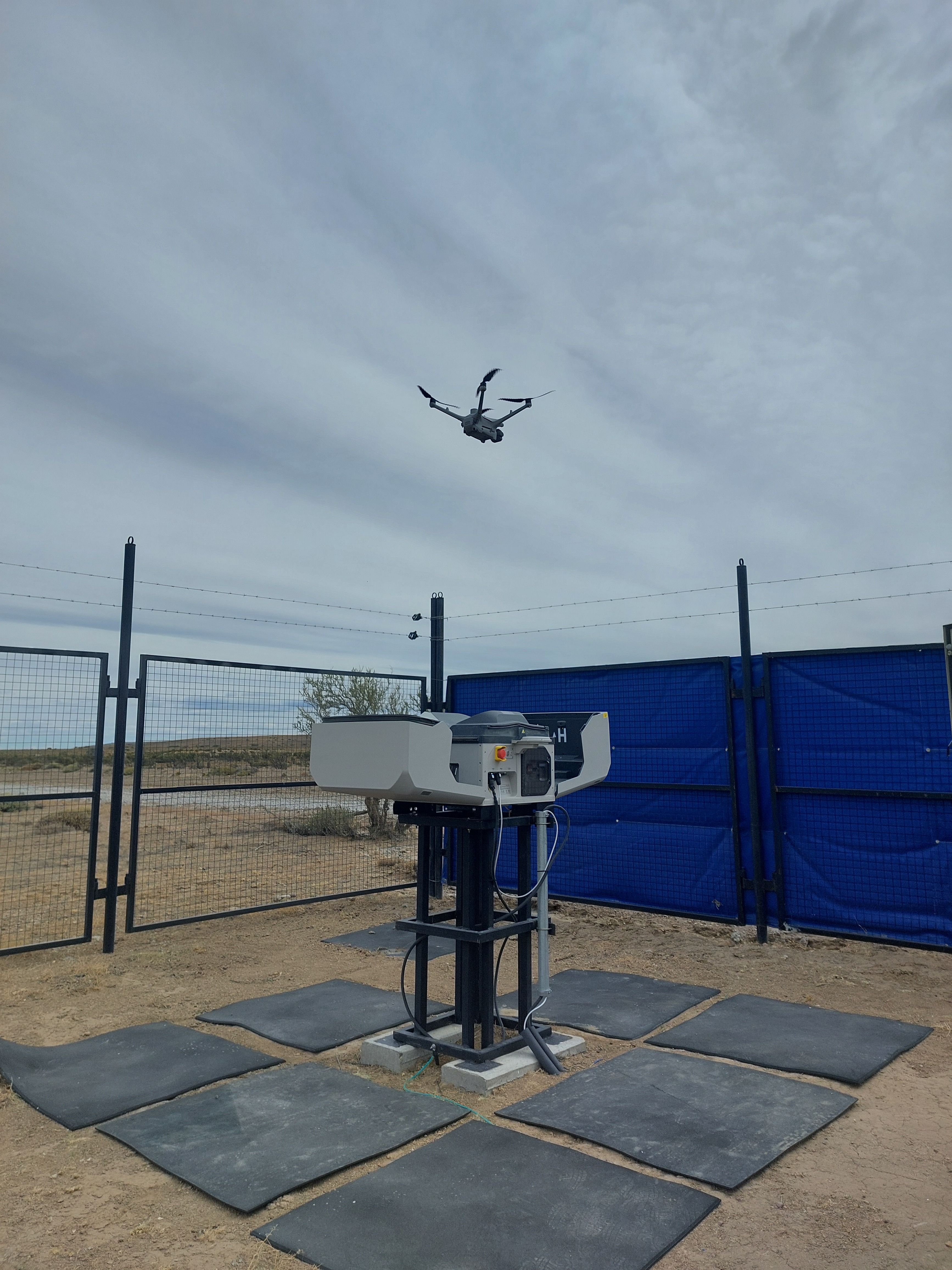
More than a one-off record, milestones like this reflect a shift in operational methods: one where coverage ceases to be a limitation and begins to become a strategic advantage for field asset management.
At Uali, we support the energy evolution by combining robotics, IoT, and AI. Our goal is to provide valuable and timely information that enhances decision-making in asset care and preventive maintenance, saving time and costs while delivering a highly positive impact on the environment. Get to know us!
Sebastián Kamin
Project Manager